
Making infused magical coconut oil at home is a straightforward process that combines gentle heat, time, and quality ingredients to create a versatile infused oil for cooking, baking, or personal recipes. When done correctly, the result is a stable, shelf-friendly oil with consistent potency and clean flavor. This guide walks through the essentials so the process stays simple and predictable.
Many people turn to homemade coconut oil infusions after realizing store-bought options can feel overpriced, inconsistent, or unclear about what is actually inside the jar. Yet, these home-cooked recipes can sometimes fill the air with stress and guesswork instead of an appealing coconut aroma.
With the right method, infused magical coconut oil becomes less of a mystery project and more of a repeatable kitchen skill that fits easily into a home routine.
What Can I Use My Infused Coconut Oil For?
Infused coconut oil is versatile because it replaces regular cooking fat without requiring special techniques. The simplest uses involve recipes where oil is already part of the structure, allowing the infusion to blend naturally and evenly.
Many people stir measured amounts into baked goods like brownies, cookies, and quick breads, where the richness of coconut oil supports moisture and flavor while keeping portions easy to track.
Beyond baking, infused coconut oil works well in low-heat or no-cook options. It can be blended into warm drinks or folded into nut butters and no-bake snacks.
These uses limit exposure to high heat, which helps maintain consistency and avoids flavor changes. A handheld frother or blender keeps drinks smooth and prevents separation.
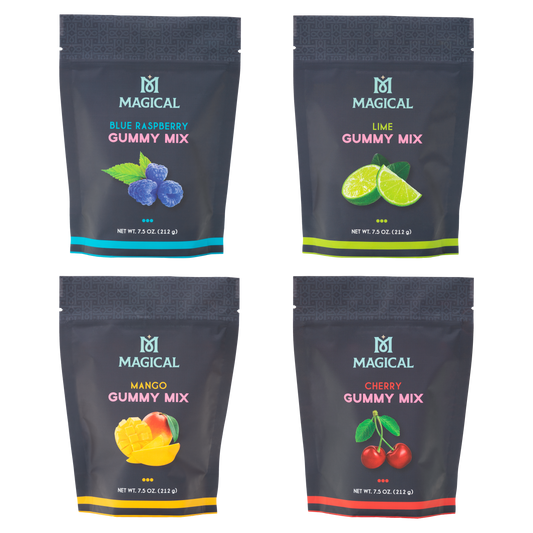
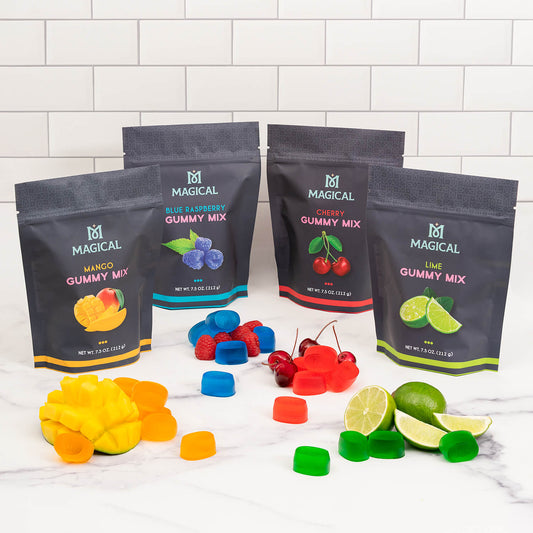
Infused coconut oil also fits into candy-style recipes and simple confections, like:
- Gummies
- Chocolate bars
- Truffles
- Frostings
These often rely on fat for structure, making coconut oil a natural choice. When paired with an emulsifier and cooled at a steady temperature, the oil distributes evenly and creates a clean finish that sets well.
Savory applications are best kept subtle. Small amounts can be stirred into warm rice or pasta sauces right before serving.
This approach adds richness without overwhelming the dish and keeps portion sizes predictable.
Magical Coconut Oil Recipe
Make MagicalButter's herb-infused coconut oil in 3 steps. With amazing versatility (edibles, topicals, lube, and more), this vegan oil has endless uses!
Ingredients
- 7-14 g Decarboxylated Botanicals, per cup of oil used
- 2-5 cups Refined Coconut Oil
- 1 tablespoon Magical Sunflower Lecithin per cup of oil
- MagicalButter DecarBox and Thermometer
- MagicalButter Machine
Directions
-
Place all of the ingredients into the Magical Butter machine and secure the lid.
-
Set your temperature to 160°F and then press the 2-HOUR button.
-
After the cycle is complete, unplug the unit and remove the head of the appliance.
-
Pour the contents of the machine through the Magical Filter Press or Magical Filter Bag to strain out the leftover plant matter.
-
Pour directly into your Magical Butter Tray, formed molds, or other storage container, and set in the fridge.
Recipe Note
For best results, do not pre-grind botanicals. Adjust botanical weight according to personal preference.
Choosing the Right Coconut Oil
The biggest difference between unrefined (organic) and refined coconut oil is the taste. The unrefined will have a big coconut flavor, and the refined will have a neutral taste with very little or no coconut flavor. Do not use cold, firm coconut oil.
Pay attention to quality and processing regardless of type. Look for oils labeled "food grade" and packaged in opaque containers that protect against light exposure. Organic options reduce the chance of unwanted residues, and oils that are fresh and properly sealed are less likely to carry off flavors into the infusion.
FAQs
Does Infused Coconut Oil Have to Be Refrigerated?
Infused coconut oil does not always have to be refrigerated, yet refrigeration is often the safest choice for maintaining freshness and consistency. Coconut oil itself is shelf-stable, but the infusion process introduces plant material that can shorten shelf life, especially if any moisture remains after straining.
Storing the oil in the fridge slows oxidation, helps preserve flavor, and keeps potency more predictable over time. Room temperature storage can work for short periods when the oil has been:
- Carefully strained
- Kept in a sealed container
- Stored away from heat and light
Avoid the following situations that can increase the chance of quality loss:
- Warm kitchens
- Frequent temperature swings
- Repeated opening of the jar
- Using wet or unclean utensils
Where Should You Not Apply Coconut Oil?
Coconut oil is useful in many situations, yet there are places where it is best avoided because it can cause irritation or unwanted side effects. It should not be applied inside the nose or mouth tissues beyond normal food use, since these areas are sensitive and not meant for topical oils.
Acne-prone areas of the face can react poorly as well, because coconut oil is highly comedogenic and may clog pores, which can cause breakouts or worsening congestion.
Open wounds or surgical sites are also poor candidates, as oils can trap bacteria and interfere with proper healing unless specifically directed by a medical professional. Coconut oil is not recommended for use as a lubricant with latex products because it can weaken the material and reduce effectiveness.
How Long Does Infused Oil Last When Refrigerated?
Infused oil stored in the refrigerator typically lasts several weeks and can remain usable for a few months when it is prepared and stored carefully. Coconut oil itself is very stable, yet the infusion introduces plant material that can shorten shelf life if moisture or fine sediment remains after straining.
Refrigeration slows oxidation and helps preserve both flavor and consistency. For the longest life, the oil should be strained thoroughly, placed in a clean airtight container, and kept away from repeated temperature changes.
Signs that an infused oil should be discarded include:
- Sour or rancid smells
- Visible mold
- Bubbling
- Cloudy appearance
- Unexpected separation
Magical Coconut Oil: Now You Know
Creating magical coconut oil isn't as hard as you might think, especially with this information.
Finished your infused coconut oil and ready to take it further without guesswork or wasted ingredients? MagicalButter makes the process cleaner, more consistent, and far less time-consuming.
From the Magical Butter Machine to decarb bundles, sunflower lecithin, and gummy-making kits, everything is designed to simplify home infusions while delivering reliable results. Turn your next batch into something confidently repeatable with tools trusted by home chefs and infusion enthusiasts alike.